.:EDUCATIONAL MATERIAL:.


 IQ Tests, Logic, English Resources  


 Bucks (Info on US Dollars)


 Parallel Universe Theory


 .:INTELLIGENCE and ESPIONAGE:.


 Intelligence |  CIA  | Mi5 Mi6

 

 Mike Smith File  9-11


 IRAQ      |  Spook Factbook 


 .:SOCIAL INJUSTICE:.


 Taino Indians and Indian Issues 


 Martin Luther King / Rosa Parks


 .:COMPUTER INTERNET RELATED:.


 Computing Downloads PPC Soft


 4-19 Scam Information


 .:ENTERTAINMENT:.


 Lyrics/Crosswords/Clips


 Images/Photos from Moscow


 .:REGIONAL:.


 Moscow, Russian Federation 


 .:SEARCH THE NET:.


 Links and Search Resources

The Russian Federation
My collection of information about Moscow and the Russian Federation and links for people travelling here.
Dmitry Anatolyevich Medvedev
President Dimitry Medvedev
 
  I LOVE RUSSIA 

Pres. Medvedev


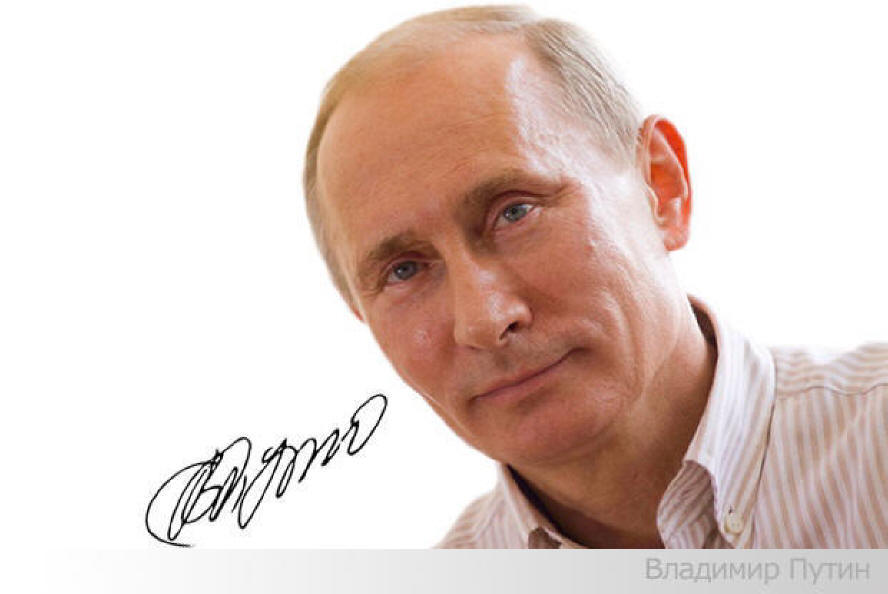
Vladimir Putin


You are here


Site designed for IE-6 and Avant Browser at 1024X768 or higher resolution. Allow Pop-Ups

  Color-Coded using my own system to make navigation easier. Lessened functionality with Opera and Mozilla based browsers. Visit the ftp site for more content.

 Contact:  Click here for  PGP KEYS . jar2@list.ru Skype: interceptor369

ICQ 292478158 www.jar2com@yahoo.com www.jar2.biz


Photo of white 1992 Chevrolet Caprice


.:PRIVATE:.


 About JAR2


.:ARCHIVE:.


 Archives


.:WRITING:.


Commentary 06


Commentary 07


Commentary 08


.:JAR2 SITES:.


 jar2.biz


 JAR2 Blog


 VKONTAKTE


 Jar2 Mobile


 FTP


 .:Bush Crimes:.


 George Bush 


 Bush WAR Lies  


  Wilson Case 


 TORTURE 


.:WORLD NEWS:.


 World News 


.:PHOTOS:.


 ART/ PHOTOS


 HELL WEEK


 RED SQUARE


 RUSSIA 2006


 Sunset


 Jan 2008


 RUS. MIGHT


 VDNX


 OSTANKINA   


 RED SQUARE 08


 .:WALLPAPER:.


  1,   2,   3,   4, 


  5,   6,   7,   8,


  9,  10,   11 


 Dual Monitor


 Animals 


 Black / White 


 Cars


 Cityscapes 


 Cool  


 Funny Pics 


 Hitman 


 Nature 


 Patterns 


 Trucks 

FTP 

 .: 9-11: An Inside Job :. jar2


"9/11 was not an inside job..."Bill Clinton 03-04-08

Nancy Pelosi: "Give up your kids as collateral." 05-07

The truth about 9-11. 284 Mbs. Install the .fav player to watch. Everything in the file named 911 on the ftp site.

9-11 The Truth  FTP

SOURCE

"PNAC=9-11, Endless War and Terror"

 TongueTwisters

 Longest words 

 Subliminal Post Hypnotic Scripts


 Remote Viewing 

 Spirograph

 Hangman     


JAR II 


 Moscow  Photographs  


Last Updates:11/29/2009 16:37 +0300


On JAR2's Server / Featured Content

Saddam Hussein's Interview Transcripts From M  zipped   FTP

The CIA's Family Jewels All Documents From JAR2 zipped   FTP

  New files linked to US involvement in Iraq HTML
  Bush "war criminal at large"
  When Osama Bin Laden Was Tim Osman   
  Listen to an interview with Michael John Smith, alleged KGB spy,   with jar2  zipped     Streaming


Coat of Arms of the Russian Federation


By John Robles II

              You may not copy or republish this material in any way. However linking to this page  would be appreciated.


Introduction


             There is so much to say and so much to tell about Moscow that it would take years and thousands of hours to put down half of it. My goal is to provide the serious visitor, by that I mean the person who is planning to stay for an extended period and who wishes to experience Moscow from a point of view other than that of the typical tourist, with practical, useable, and real advice and information.

             There are many commercial sites that cater to tourists and have more information about shows and bars and the like, if that is what you need read no further.

             The information you find here is aimed at Russian speaking visitors, if you do not speak Russian and are not planning to learn any, your best advice would be to ask your tour agency to answer any questions you might have.

             Many visitors and co-workers ask me questions about Moscow and Russia, everything from where the best shopping is to how to get along with their Russian girlfriends. On these pages I will try to answer all these questions and more. So next time somebody asks me something I can just direct them here.

             So without further ado, let us begin. Welcome to Moscow.

"My heart felt at peace walking through the Moscow night but something was missing...I felt slight unease. Then I realized what it was. I had not heard a siren wailing or a jet engine's whine overhead since I had left L.A."

                     JARII on the quietest metropolis

                                                   in the world.

NOTE:

            These are some of the headings I am planning to go into in detail, as well as adding to on a regular basis. If you have anything you would like to see or have any questions let me know. Since this is strictly a non-profit, personal effort, I can only work on this site in my free time so if progress is slow I apologize. If you would like to donate to this site to help keep it going please send an e-mail.

John


Introduction

Language

Communication Channels

Public Transportation

Driving

Flats/Hotels/Living Arrangements

Girls/Girls/Girls

Groceries/Food

Computer Stuff/Software

Russian Customs/Character

Instructions for Installing non-Unicode capabilities on Windows

Socializing

Marriage/Family

Medical

Places to Go

Money

No Politics

Miscellaneous Advice

President Putins Profile

Financial Forecast

Some Facts About Russia


Language TOP


           This is probably the most serious piece of advice I can give you, and it will make your trip a thousand times easier: learn some basic Russian before you come here. Unless you are planning to fork out a huge sum for a translator or planning to stay in your hotel and do the tourist thing, this is a must. Not only will people be more receptive to you but it could make the difference between life and death, in an extreme situation of course.

              I speak fluent Russian and it has helped me with every aspect of life here. Take the time to study Russian, it is a beautiful language. Not taking into account the utter complexity of it.


Communication Channels TOP

 In my opinion this is not really a problem anymore if you are communicating with any of the more populated areas of Russia. Now I am talking about Russia, not the Ukraine or anywhere else. There are so many ways to communicate, the only people with problems in this area might be transients, the very poor,  or people with something to hide. For you guys the only problem might be lack of Ruski.

     Phoning:
         The only problems I see in this area are operators who finish work at five and are less than helpful, there is no directory service (information, 411) at night, and information can only find a phone number if you know the the last name and the exact address of the person who you are trying to call. This is a problem because usually the phone is registered to the owner of the flat you are calling, or to someone else who has a propiska there. So if the person you are trying to call is renting there will be no way to locate them. Other headaches improper connections by the phone company during high traffic times, rotary dialling and the inability to call overseas collect.

           You can still order international calls at many of the post offices and phone company offices and there are also many ways of calling overseas using phone cards and internet calling and the like.

          As for other forms of communication, you can get on-line fairly easily here, there are many internet cafes and almost all hotels and places frequented by tourists have business centers where you can fax, call, e-mail, and telex.

           For natives these things are well known, so if someone tells you that there is no way to get through, advise them how to do so. Russians are very clever and may try to use what they see as ignorance on your part about Russia to their advantage. So if anyone tells you; "Send me $100000.oo buckza so I can arrange calling my love!!", tell them F-off. (please)

           Russian wife calls a little town in Siberia every week to
talk to her grandmother, they call us all the time and there has never been a problem. I have never had a problem calling home, and people we know in Europe never have any problem calling us. We have a high speed internet connection, a modem connection if we need it, a normal landline, a fax, and four mobile phones in the family, snail mail is slow but has become more dependable and of course there is always DHL, UPS, Western Union and other courier companies.

What else??? That's it for now:-) C.U.L8R


Public Transportation TOP


           Well, you have arrived. If you have come from the west then you are probably at Sherymeytova, Domodedova, or possibly one of the train stations, probably Beloruskaya. Now what? You need to get to your hotel. If you are traveling unescorted, meaning you are not part of a tour or no one is meeting you, and you know some basic Russian then the best way to travel would be getting a private car.

             I traveled around in this manner for about three years and never once had a problem. My only complaints could be these: drivers, knowing I was a foreigner usually wanted more than usual, so haggle if you can, an unending stream of obscene language at other cars by some, and drivers going to slow if I was in a hurry, sometimes I would have to get out of a car and change cars because of this if I was late.

             Moscow is filled with thousands of privateer taxis who will be happy to take you wherever you want. The main rule here is to use common sense, if you don’t like the looks of the driver or his car, send him on his way. Always agree on a price before you get in the car. If the driver wants the money upfront offer half, if he won’t take it get another car. One will be along within minutes, usually.

              Muscovites call this kind of transportation the “Afto-stop”, all you do is stand by the side of the road and put your arm straight out at your side. No thumbing, this is not the States or Western Europe and hitch-hiking is unheard of here. When a car stops tell the driver where you want to go and agree on the price.

              If you are a member of the gentler sex, I would recommend sitting in the back and keeping conversation to a minimum. Also if you are traveling around alone at night carry some pepper spray, not difficult to obtain (legal) once you are here, don’t try to bring it with you from home, oh, and never get in a car where there are other passengers.

              From Sherymeytova to anywhere in Moscow should not cost more than five hundred rubles, or about seventeen dollars?

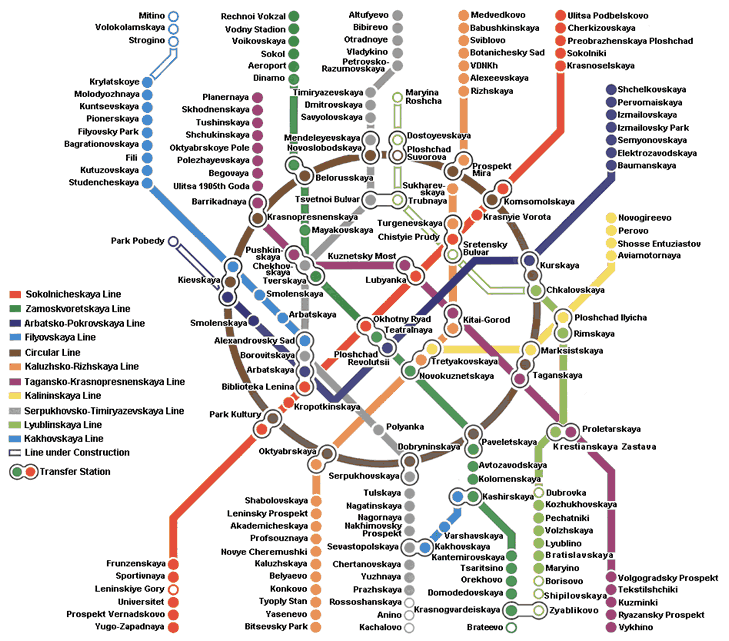
              Once settled into your accommodation use the metro, for seven rubles you can travel for an unlimited time and distance. Once you exit you’ll have to pay to re-enter the system of course. You can buy a monthly pass for about 250 rubles.

               Spending a day touring the Moscow metro will reward the traveler with views of some of the most beautiful underground stations in the world. The only drawback to the Moscow metro is the noise, the trains all run on steel wheels unlike the French or Mexican subways.

                It is polite to give up your seat to women, the elderly, and children. Although his practice has seen a decline in the last ten years.  Another piece of advice when sitting in the metro keep your feet flat on the ground, some people can become quite offended if the soles of your shoes are visible. Also personal stereos turned too loud, eating, combing hair, cleaning nails, picking teeth can cause unwanted reactions from the other passengers. Try to be as non-descript as possible to avoid problems, if you find someone staring at you, stare back. I was surprised by some of the long looks I got in the metro, not rudely so but longer than Americans are used to. Beggars are a common annoyance also. If you want to give someone money do so, but be warned many of these people are organized and make their living in that way. Sounds cold but it’s true. Also on escalators stay to the right.

                 Ladies, when traveling in the metro at night keep in mind that you may be followed, as in any big city in the world. If you think you are being followed do not leave the station. Every station is patrolled regularly by the police and is safe.

                 The only other thing that I can think of that a foreigner might find strange is the amount of public drinking and drunkenness that goes on in the metro and in public here in Moscow, in St Petersburg it is different but in Moscow it is almost the rule to see people walking about with open containers of alcohol and at night people in various stages of drunkenness. There are as of yet no rules against this. If you are a foreigner, do so at your own peril!

                  Busses, what can I say about busses? They are extremely cheap; you can usually buy a ticket on the bus, and more times than not you can travel for free if you want to take the risk of being fined about ten rubles for not having a ticket.

                   There are also vans which are called “Marshrut Taxis”. They follow designated routes and are faster than the buses, usually costing between five and twenty rubles and they usually stop anywhere you ask.  You can usually wave one down easily.

                  “Marshruts” have the reputation of having extremely high fatality rates when involved in accidents.


Driving TOP


                   I drive here and have been doing so for about four years but would not recommend it for most people. If you are a very experienced driver, speak decent Russian, and have a Russian driver’s license, as well as a car registered here, then go for it, you can’t beat it for the independence it gives you.

                    At first it would appear that the rules of the road are as non-existent as the road signs but actually there are many complex rules, especially when it comes to intersections. When I had to get my Russian driver’s license I was amazed. I had a class A CDL with the PTX endorsements in the US and figured it couldn’t possibly be any more difficult than that, but it was.

                    The whole process took several months and required getting special permission from OVIR (this is almost impossible to get as you are required to have permanent and official registration or Russian citizenship), then going through the medical screening process (a day running around after all the "spravkii", a driving range test, a road test, and a computer administered exam. Not in that order. The computer exam was the hardest because you are given twenty minutes to answer twenty questions, the whole time a policeman stands behind you looking over your shoulder and if you answer more than two wrong you are automatically disqualified and have to wait two weeks to try again. You can fail on nerves alone. Adding to all that is that all the questions are formed in such a way as to confuse the examinee.

                     Even for Russians it is difficult. For example on the screen there will be a picture of two cars turning at an intersection, and somewhere in the background there will be another car making an illegal turn and the answer would be about the car in the background.

                     I ended up having to memorize all of the eight hundred possible questions, in order to pass. After the first attempt, which I failed, having gone in completely unprepared, I was given a disc with the same program they use to administer the exams, and spent two weeks memorizing everything. After which I passed.

                     Once you have the driver's license, and are ready to buy a car, provided you have not driven one here or had one delivered, those are entirely different topics, you have to consider the options you have. The considerations that have to be taken into account are many. One of the most important being that whatever car you decide to buy, if you are not registering it through an embassy or a company, may not legally belong to you.

                     How can that be? Well it's quite simple. Most people in Moscow buy cars and operate them using a power of attorney. This gives you the right to drive the car and complete all transactions related to its operation. The only problem is that they are only good for three years and if you decide to sell the car you could be faced with untold problems. In theory this should not be but in practice it is. The only plus is that you can drive a car with standard white plates and not get stopped all the time by police asking for documents.                    

                 I am jumping the gun a bit, first let's go into the buying aspect and some of the considerations that should be thought through. First of course is money, but we will get into prices later. If money is no object then stop reading and just go to the nearest Mercedes dealer. Are you going to be here for a long time? Do you want to take it back home? How dependant on a car are you? How far are you going to travel every week? How close are you to the nearest garage that can service the model of your choice? Are you good at diagnostics and repair? Do you have the tools and equipment that you need? Do you have or can you rent an affordable garage? Is there a secure place to leave the car when you are not using it?   

                    How long are you planning to stay? If you are here for less than a year your most economical bet would be buying a used Russian car. Perhaps renting, which is becoming more and more affordable.

                    If you are staying longer and need a car that you can depend on I would recommend investing in the most solid piece of equipment that you can afford. The main reason is that the roads here are not the best in the world, an understatement of great magnitude, and the climate can eat up a car in a couple of seasons. If you have ever driven around New York City, you can expect about the same quality of asphalt between the pot holes, although it has been getting much better in the past three years.

                    Parts and maintenance costs are very high here if you drive anything other than a Russian car. Despite that fact, investing in a good solid dependable foreign car, and by that I mean an American or German car, may still be in your best bet in the long run.

                    Most Russians say that buying a used foreign car is better than buying a new Russian car. I am not sure that I agree, there are a couple of good models out there. The Niva, for example, a small boxy jeep, is a durable and versatile vehicle. Up until recently Nivas were 100% Russian cars but not long ago Chevrolet took an interest in this particular model from Lada, and now there are what are called Chevy-Nevas running around. Not a pretty machine but then again not as boxy as before. The new Nivas sport a roomier and more comfortable interior, a more modern design throughout the chassis and plenty of Chevy bells and whistles. However what makes a Chevy a Chevy is what is missing, no healthy V-8 or V-6 for these cars, they are still running around with the original underpowered 4 bangers just as before and the inadequately designed suspension parts and running gear.

                                 I could go on and on about different models, pricing and the like for hours,  but that is not the purpose of this article. The only other thing that I can say about choosing the right model is that you will pay a disproportionately higher amount of money in taxes, registration costs, and perhaps even hidden under the table costs the nicer the vehicle you buy is.

                    Will continue later>>>


                     These are some of the headings I am planning to go into in detail, as well as adding to on a regular basis. If you have anything you would like to see or have any questions let me know. Since this is strictly a non-profit, personal effort, I can only work on this site in my free time so if progress is slow I apologize. If you would like to donate to this site to help keep it going please send an e-mail.

John


Flats/Hotels/Living Arrangements TOP

                             At the risk of taking a huge chunk out of the ill got gains of those in the local apartment racket, let the following be known: Once you are here, in Moscow, you can very easily, and relatively quickly rent a room for as little as $30.00 a month. That is the lowest price we have seen today ( no doubt a roach hotel ) but hey! The average price at present for a room is about $60.00 (A M!O!N!T!H!!!!) for around two hundred, plus first months, last months and deposit ($600.00) you can rent a one room apartment, median price. That would be a studio apartment to us. Even if you are near the end of the metro lines you can still get to the center in about half an hour.

                             There are several nuances that should be taken into account but with some intermediate Russian you should be able to find whatever you want.I can not stress enough the importance of learning Russian if you are going to travel here and stay for a good chunk of time.It will open doors here for you the likes of which you did not even know existed.

Please see this space in the near future for detailed information

                       I recently sent the following to a fellow looking for a flat:

                          If you have been here before then you have probably heard of the classified newspaper "ИЗ РУК В РУКИ", were I you, I would wait until my arrival, spend one day in a hotel, using the time to find a flat, and rent one, or a room. I don't think it would be practical for you to try to secure accomodations while you are still "out-of-country". No one will tell you about anything affordable if they know you are a foreigner, better still an English speaking foreigner, and they think your knowledge is limited to whatever version of the truth they are expounding.
 
                         You can call all you want, send a million e-mails, but you are not going to find what you want if you are not available to at least go and see the places. Whatever you do, don't do anything without a middleman, that would be an agency that will make sure you have a legally binding rental agreement, almost every listing in the above publications is published by one, even the ones that say (Bez podsredikov). More importantly never give anyone money for listings, etc. The reputable agencies only charge you a small fee for showing you places if you refuse to rent them, meaning you are paying their agent for the time he or she has spent meeting you, calling landlords and making all of the arrangements,  otherwise their profit comes when you actually sign a rental agreement and they receive the eqivallent of one months rent for their troubles. Anyone asking for anything else is not to be trusted. Period.


More later>>>>>


Groceries/Food TOP


                For those of you on any kind of a budget forget any idea you may have about eating out regularly in Moscow. The restaurants are extremely expensive, and the portions are usually extremely small. Almost every restaurant in Moscow has priced themselves right out of the mass market. Most cater only to the New Russians. You could easily spend fifty dollars or more on a small lunch for two people and walk away hungry. 

                    The only option you may have if you are out on the town, other than eating from the kiosks, is McDonald’s. There are currently 103 McDee’s in Russia with 52 of them being in Moscow, prices are a little higher than in the states with a Big Mac running about a buck fifty. Most of the Moscow McDonalds’ have at least ten registers and are always packed, usually the lines are five persons deep. They do a huge business here, and enjoy having a complete monopoly. You won’t find Burger King, Taco Bell, Wendy’s, or any of the others here. Apparently they (McDee’s) made some sweet deals way back when and as a result have few problems doing business here. I could get shot for saying that but it’s true.

                    If you are going to stay for more than a month and have decided to rent an apartment/flat learn to cook! Or hire a housekeeper/cook for around $200 a month and up.

          Where to Shop

                  Most Muscovites used to shop at the open-air markets but this is slowly changing as more and more western style supermarkets are opening up. My favorite is called Perekrostok (Intersection/Crossroads) and has the best selection I have seen in Moscow, along with a stable inventory unlike many other shops and very reasonable prices. They also have shopping carts and are arranged just like the supermarkets back home, a rarity in Moscow as most shops still follow the Soviet format that requires you to ask a shop attendant for anything you want as everything is kept out of reach of the shoppers. Another plus for tourists, you don't have to speak Russian to shop there.

                  If you are not fortunate enough to have a Perekrostok nearby or can not find one, then you may be forced to go to one of the open air markets. A great way to get out among the people, get some fresh air and practice your Russian. A less critical audience you will not find. The only drawback, you may have to visit a different stall, for every item on your list and lug everything around with you.

                  Lastly there are little neighborhood markets everywhere, usually higher priced and under stocked. You will need Russian at these too.


          Worst Slavic Dishes

                    This is my list of "never-go-near-or-even-look-at" Slavic "kitchen", as the Russians call it.

                          If you are ever offered the following, whatever you do, refuse!!!

#1
Hren: A horseradish sauce with the consistency of....?????   (I am sorry I can not compare the texture with anything that will not make you sick.) and the kick of the strongest mustard you can imagine, tastes like Tabasco sauce and gasoline. I'm serious.

My second day in Moscow I had a neigbour introduce me to the stuff, after getting me to swallow a tablespoon's worth she informed me that there was nothing to drink in their flat. I excused myself and ran home to hug the porcelain throne.

#2
Okroshka: Kvas (Homemade Russian national drink. Tastes something like Root-beer with Caribbean tamarind juice) Add: sausage, boiled eggs, green onion, parsley, cucumber, and whatever else you want, chop and pour into Kvas, eat like soup only cold.

Zhirinovsky once went into a restaurant and ordered this stuff and was told they did not have any, the cook substituted Coca-Cola and Zhirinovsky loved it. True story. Thanks to Ann at Tverskaya.

Russian wife says it makes her gag, I'll take her word for it.

#3
Holodyets: You boil some pig's feet in water spiced to taste until they start to fall apart, then you remove them from the water and dice them. After that you pour this wonderful mass back into the water and mix in some gelatin, chill and eat cold. Jello should hear about this.

Speaks for itself.

#4 Salo


Computer Stuff/Software TOP


                    Any advice you receive here is strictly for educational purposes. I do not condone or support piracy in any way. (That is my disclaimer!)

                    Now for the real thing! If you are a computer buff, and find yourself in Moscow you may believe that you have happened upon software heaven. Moscow is a place where you can find almost anything that can be put on a CD for about 80 Rubles, that’s $2.50 to you. I am talking about everything from Windows XP, to Dreamweaver, to the latest films, Mp3s, games, you name it!

                   Where to shop? Well the best places are: the “Radio Market”, at metro Tsaritsino (the green line),(upstairs), also a good place for hardware, the computer market at metro Saveolovskaya (the grey line)(hardware), the market at Mitino (Mitinskaya Radio Renak) metro Tushinskaya then the bus or the “Marshrut” (also hardware),  the kiosks at metro (Kuznetsky  Most) near the famous Lyubyanka, and most metro pedestrian tunnels.  

                   You can find anything. The only problem may be taking them home, I know that getting discs into Western Europe is no problem, but I have yet to try to fly into the states with a box of pirated discs, it would be a good idea to contact the US Embassy for the latest regulations. NOT! A friend of mine regularly travels back and forth with his laptop, the contents of which have yet to be checked, but all I can say is that you are on your own.


Instructions for Installing non-Unicode capabilities on Windows


                      Windows 98/98SE/ME all require that windows be installed with the regional option set at Russian in order to properly display non-Unicode programs and pages. You should also install Russian as a secondary language when installing, under keyboard options with the default properties, however not doing so will not affect the code page or your ability to view non-Unicode programs. After windows has booted for the first time you can set the regional setting back to English US or whatever and from then on you will have no problems viewing Cyrillic files. Oh don't forget to add Russian to your web browser (IE) internet options/ languages/ add. Windows 98 will add the files Country System (007)(866) and code page 866 which will then be loaded as windows boots up. You can watch the booting process or press the control key for step by step system start-up to verify that the code page boots. That's all there is to it. If you installed a fresh copy of windows or re-installed over your current installation makes no difference. The only problem if you do not change your regional options back to English is that the date in the task bar will be in Russian and all programs that use the language setting such as Outlook will show dates and days in Russian.

The file keyb.rus, loaded with windows, which was being used in .ru land as a key tracer/sniffer can be deleted if you are security conscious. I always do on 98 installs. Being in .ru land and all.

For Windows 2000 you also have to re-install as above, however later versions and service packs may have eliminated this problem.

For XP follow the instructions below.
XP is nice because you can do so on the fly meaning you don't have to install Russian support from the outset.
To display non-Unicode programs in their native language

You must be logged on as an administrator or a member of the Administrators group in order to complete this procedure. If your computer is connected to a network, network policy settings may also prevent you from completing this procedure.

Open Regional and Language Options in Control Panel.
On the Advanced tab, under Language for non-Unicode programs, click the language version of non-Unicode programs that will be used.

Good-luck and happy surfing!!!

John

   When you finish this might help, glue it, tape it, or print it     on   sticker paper. Enjoy

Russian Keyboard Key Layout jpg

Russian Customs/Character TOP

               Russians have many customs and superstitions, just as all cultures do. Here are some of the top ones.

1. Never hand someone something over the threshold of a door.

2. Never shake hands or kiss over the same.

3. Men always shake hands in greeting, even casual acquaintances, if you are sitting, always rise, even slightly, to do so.

4. Once you have left a place, if you have forgotten something and have to return, you must look into a mirror as quickly as possible upon your return or something bad may happen.

5. Russians have no problems with opening umbrellas indoors.

6. Russians are not afraid of the number 13. I live on the thirteenth floor.

7. Russians can be very short on the phone, no long goodbyes or see you laters, most conversations may end with a short “That’s all”.

8. Not all Russians drink endless amounts of Vodka.

9. Being drunk, even at a work party is sociably acceptable.

10. When giving flowers to women always give an odd number of flowers, even numbers are for funerals, and yellow flowers mean you want to break up.

11. Never leave your keys on the table or you will have an argument. (Not common)

12. Never put your feet on the table.

13. Always take your shoes off when you enter someone’s home.

14. Never refuse drink or food if you are a guest.

15. If you are invited to someone’s home, always bring a small gift, wine or perhaps chocolates.

16. When a man takes a woman out he must pay for everything, no matter how much the woman wants to spend. After which the woman owes the man nothing. Being in their company is seen as enough, so guys if you take a girl out and you spend two hundred dollars don’t be surprised if she goes home without giving you her number or kissing you goodnight.

17. People here have no problem drinking from the same container, so if someone asks you for a drink from the bottle of coke you are holding don’t be shocked, this happened to me, a group of young people asked me for my coke, four people drank from it and then they gave it back, half full.

18. The word for black people is “Niyeger” in Russian, if you call someone “black”, and I mean an African person, it is derogatory.

19. Russians may live at home well into their late twenties or early thirties.

20. Most Russians live in apartment blocks but have dachas, where they live in the summer.

21. The majority of Russians take long holidays in the summer.

22. Most parents send their kids away for the whole summer, not really important where.

23. Girls are not supposed to sit at the corner of the table or they will have great difficulties getting married.

24. When you get married to a Russian you marry the whole family, like it or not.

25. If you go to a Russian church (Pravoslavnaya Tserkof) don’t plan to take any naps, there are no seats. All Russians stand in Church, women must wear a scarf or other headwear on their heads and should wear a long skirt.

26. The customer is not always right in Russia, if a cashier is short and you complain, you just might get yourself kicked out of the store.


Socializing TOP


Marriage/Family TOP


These were some of my comments on list server I belong to on the subject of Russian wives and romance.

Dear List,
Normally I sit on the sidelines reading all of your posts, and provide help and support when I can, but two of the threads from the last week, especially this one, warrant my post. The statement by ****,to a point is true, regarding the fixed expenses. The $3000-$5000 he mentions seems inflated to fit his own view of things, but the point is a valid one. Everything else he says seems to have come from his own bad experiences with women, and if you enter the game with those preconceptions, with any preconceived notion for that matter, you are bound to encounter or read into any situation what you believe to be true.

***** cost summary really makes the whole experience seem like a shopping trip and I guess sadly for *** and many like him that may be
the case. I have been married four times, not something that I am proud of, and not something that I feel would make me an expert in the field of love or romance, but when it comes to expenses I think I can say a thing or two. ****'s statements make it sound like it is only Russian women who require financial upkeep and that is completely wrong. My first wife was American, my second Czech, and the third and fourth Russian. When I say Russian, I mean Russian, not Ukrainian. A lot of the guys on the list do not make the distinction but there is a difference, Ukrainians live much worse than most Russians do and from my experiences with them have much lower moral standards. Meaning you will find more scammers and gold-diggers when you deal with Ukrainians than with Russians. That said, for whatever it's worth, my point is that any woman will cost you money. That's a fact of life and one we all know. How much is another question, but you do not have to make 70K a year to marry a Russian woman. That is not true. Nor should you not try. It is not an elitist's endeavor, but one better left to those with sincerity in their hearts, and open minds. Sure it can get expensive anything can if you allow it to.

When my wife read ****'s post she laughed as did her girlfriends who were here, they found the part about the teeth especially insulting, all
of them have fine straight white teeth thank you very much. They asked me to add that.

Back to the subject at hand, and I will try not to analyze **** except to say that I am sure he is young, inexperienced and goes around letting everyone know how much he makes. If you approach people in such a manner, women in particular, they will take you for what you are worth.

As for the "What is Love thread?" I would like to add my two cents and that should lead into my conclusion on the money question, if you will all bear with me. First off love is not a mercantile thing, and it is different for all of us, I myself do not claim to know what it is but I am sure that some of the following things are a part of it. Love first of all should mean tender feelings between two people and mutual attraction, love should mean mutual understanding and respect, love means caring more for someone, at times, more so than for ourselves, love is forgiveness, gentleness, and warmth. Love is strength and courage and sometimes emotional pain. Love is something we all need, it is appreciation and cherishment, it is commitment and loyalty, it is selflessness and giving, and it is always being there when you are needed and lastly never hurting those you love.

So is this something that we can put a price on? No. It is something that you must fight for and strive for and seek, it is something you must search for and try hard for and reach, it can consume you, it can be elusive, it can hurt, but you must not give up, for when you find it, you will be whole and all the trials and tribulations you go through will seem unimportant. Love is waking up in the arms of the one you love and knowing that you are home, be it on a 50K silk feather bed or in a sleeping bag on the beach.

I hope that you all find the right one and remember all people are different, each and everyone Russian girl you meet will be different if you leave yourself open. You make your own destiny.

Of course cash helps, but if you are interested in meeting and honest and good woman, it will not matter as much as you may think. At least no more than anywhere else.

**** I hope you find love, and that you never lose your highly paid job.

Sincerely
John JARII
www.jar2.com

By the way my American wife was the most expensive, she cost me five cars, my business, a house, and left me to raise my kids alone.

Yea, Love, sole music-master blest,
May read thy weltering palimpsest.
To follow Time's dying melodies through,
and never to lose the old in the new,
And ever to solve the discords true--

Love alone can do.

And ever Love hears the the poor-folks' crying,

And ever Love hears the the women's sighing,

And ever sweet knighthood's death-defying,

And ever wise childhood's deep implying,

But never a trader's glozing and lying.


The Symphony, Sidney Lanier, 1875,1877


Medical TOP


Places to Go TOP


Money TOP

                      The more the better! Really! Moscow is not a cheap place to visit. Current exchange rate about 30R to 1$. There are exchange points everywhere so you don’t have to find a bank or worry about it before you come.

                       Moscow, as the place with the largest amount of US dollars in circulation, in the world, is beginning to switch over to Euros as the preferred foreign currency.

                       Use common sense in all financial transactions and remember if it sounds too good to be true, IT IS !

Visas TOP

                The Embassy

                           This will be your first contact with Russia and may be the first time you meet a real Russian person. As you would with any government office and with any official, behave in a formal and proper manner. After all, even the girl who asks you to fill out the visa application may very well have the power to get you banned for life from getting a Russian visa.

                           Again I will re-iterate, learn some Russian, a few well spoken Russian words during your dealings with the embassy officials may make the difference between success and failure.

                            I should not say the following but it is true and it is part of reality. A small present may ease the process along. I knew an American guy who was in Europe and was able to get a visa for the sole reason that he brought the embassy workers a carton of cigarettes. At the time you could only get a visa from an embassy in your home country but as the financial situation for most Russians was bleak, this worked. Be careful doing this. Be tactful and don't forget it may backfire depending on your case.  

                      The Vital Visa

                    Current Visa regulations are changing all the time, contact the nearest Russian embassy.

                           There have been many changes recently but you can still get one year commercial visas, of course the average price is around (contact Embassy for prices). In practice the only real changes are that the visas are now glued into your passport pages, unlike the old ones which were seperate documents, and registration stamps are also placed in your passport. The changes regarding immigration cards and the like apply to citizens of former republics who now have a much harder time obtaing visas and staying on Russian territory. It is all political, shortly after Russia proposed revamping visa regulations the US changed the rules regarding the issuance of US visas in favour of Russians, which has made things, if not easier, then at least stable. For now.

          If you have any questions call your local Russian consulate or see the links in red on this page.


Problems/Emergencies TOP

           If you have a serious problem you may try the embassy, however for less than extremely serious situations the US embassy is famous for being less than helpful. They are usually more interested in collecting information about the people that ask for help than in actually helping them. They need to add to your file!

           For medical emergencies Russian hospitals will take you in, money or not. A huge difference from the states! If you can not speak Russian you can try Doctors Without Borders, if you have a lot of money call the embassy and they will direct you to the American Medical Center, western care at higher than western prices!

            If you need dental work here is the place to do it, cheap quality work, if you go to a Russian clinic. However you really need to shop around on this one. I can recommend a dentist who has done wonders for me if you send an e-mail.

             There are many new clinics but they are mostly way over-priced and offer services not much different from what you will find in Russian hospitals.


Miscellaneous Advice TOP

          Most of the doors into Russian building are extremely heavy and difficult to open by US standards.        

                Always carry your passport and visa with you.

                If you see something you like buy it as soon as possible you may not see it again.

               ↑↑↑  © 2003-2009 jar2.com ↑↑↑


Financial Forecast


This report was e-mailed to me from a trustworthy source it contains information taken from the semi-annual economic analysis report on the Russian economy from the ING Russia Fund.


MARKET OVERVIEW:
"The period from the end of 2002 and the first part of 2003 saw a number of landmark developments in the history of the Russian equity market.  Given the background of stubbornly high oil prices through most of the first quarter, it should not come as a surprise that most of these events took place in the Oil & Gas Sector.  Nevertheless, while certain oil stocks didperform well, larger gains were seen in a couple of the other prominentsectors.  Overall, the Russian market rose almost 18.0% in the six month
period."

"The first of these highly significant developments, and arguably the most important was the announcement that BP PLC (BP) was entering into a 50/50 joint venture with one of Russia's largest oil companies, OAO Tyumen Oil Company (TNK).  The transaction, which will see BP pay US $6.75 billion in cash and securities over a period of three years, marks the largest foreign direct investment in Russia.  The move was somewhat of a trigger for the Russian market as several analysts anticipated that the deal would be a catalyst for similar moves by the other international oil majors."

Sure enough, the end of the period saw the announcement of the largest merger in Russian history.  Although this was also a merger between two oil companies, the tie-up was a purely domestic one between Yukos and Sibneft. While the deal is not expected to close until the end of 2003, the new entity should be, in terms of valuation, by far the largest in the Russian market with a market capitalization of about US $35.0 billion 9based on current prices).  According to analyst, the new entity will be a formidable force in the global oil & gas sector.  It will be the world's sixth largest producer of oil and gas, and fourth in terms of reserves."

"Finally, the consolidation of the fixed-line telecom sector was completed in early 2003.  This consolidation began in 2002 and saw dozens of smaller, local companies, transformed into seven larger regional telecom operators. Each of these has its own individual share listing.  As the regional operators now represent larger companies ( in terms of both revenue and number of subscribers) they are also, potentially much more attractive investments."

MARKET OUTLOOK:
"As it has been for some time, the macroeconomic outlook for Russia remains rather favorable.  This is highlighted by forecasts for 2003 of real gross domestic product growth of 5-6%, a current account surplus of 2-3%, and a balanced federal budget.  Inflation, while still in double-digits, has fallen steadily.  These forecasts are underpinned by an average oil price estimate of $24-25 per barrel.  In other words, we are likely to see the oil price decline to levels closer to $20 per barrel by the end of 2003.  As always, the possibility of a sharper fall is a risk, and would put the outlook for a continued balanced budget in doubt."

"Aside from the positive macroeconomic outlook, the market has also been supported by the abundance of domestic liquidity.  This liquidity stems from a reduction in 'capital flight' and has been the main driver of the strong rally in the fixed income market.  (Russian government bonds trade at only a 150-200 basic point spread over US treasury bonds.)  To a certain extent, this excess liquidity has already spilled over into the Russian equity market.  However given the rapid growth in central bank reserves, the level of domestic liquidity is likely to increase.  This could lead to further strong gains in the equity market."


TOP

© 2009 jar2.com  


President Medvedev's Profile


Dmitry Anatolyevich Medvedev


Born September 14, 1965, in Leningrad.

Graduated from the law faculty of Leningrad State University in 1987 and completed his post-graduate studies at Leningrad State University in 1990. Holds a PhD in law and the title of associate professor.

1990-1999: Lectured at St Petersburg State University.

At the same time, between 1990-1995, was an adviser to the Chairman of the Leningrad City Council and an expert consultant to the St Petersburg City Hall’s Committee for External Affairs.

1999: Deputy Government Chief of Staff.

1999-2000: Deputy Chief of Staff of the Presidential Executive Office.

2000-2003: First Deputy Chief of Staff of the Presidential Executive Office.

2000-2001: Chairman of the Board of Directors of OAO Gazprom, in 2001 – Deputy Chairman of the Board of Directors of OAO Gazprom, from June 2002 – Chairman of the Board of Directors of OAO Gazprom.

October 2003-November 2005: Chief of Staff of the Presidential Executive Office.

In November 2005, appointed First Deputy Prime Minister.

March 2, 2008: Elected President of the Russian Federation.

Married to Svetlana Vladimirovna Medvedeva. The Medvedevs have a son, Ilya.


President Putin's Profile TOP


Vladimir Vladimirovich Putin was born  on the 7th of October 1952 in Leningrad.


Below are some of the important dates in his life:


1960-68 studied at school #193, then school #281 and graduated in 1970. During his school years Putin proved himself to be a remarkable student especially when it came to studying languages. When he was 11 he entered a wrestling league, engaged in martial arts and judo. Putin became a master sportsman and a champion in Leningrad.


1970 entered juridical faculty of the Leningrad State University and graduated in 1975. He entered the Communist Party when he was a student and stayed its member till its prohibition in 1991.


1975-1990 worked in KGB in the First main directorate (foreign intelligence) and specialized in German-speaking countries.


Sometime around the end of ‘70s beginning of 1980s he graduated from the Moscow KGB Institute.


1981-87 worked in Germany (watched Russian students, controlled Socialistic Party of Germany, investigated anti-socialistic acts).


1987-90 worked as an assistant dean at LSU ( Leningrad State University) with international contacts (watched foreign students). Putin was a KGB resident at LSU.


In 1990 Putin became a councilor of A. Sobchak, president of Lensovet (Leningrad Central Council).


1991 he was appointed as president of Exterior contacts committee (ECC) of the city hall. In the beginning of 1992 he was transferred into active reserve by the KGB.


1992 he became a vice-mayor of Saint-Petersburg still staying president of ECC.


1994, March. Putin was appointed as the first vice-president of the Saint-Petersburg government – president of the Exterior Contacts Committee.


1995, May. He was the chief of the organizational committee of the OHR’s (Our Home is Russia – political party) Saint-Petersburg section. In the summer of 1995 he managed OHR’s electoral campaign.


1996, He joined the Saint-Petersburg headquarters of the Russian movement of the social support of the President (RMSSP), which united organizations supporting the re-election of Boris Yeltsin.

In the spring of 1996 Putin worked with Sobchak’s electoral campaign. When Sobchak lost, Putin retired from all his positions. Soon he received an invitation from P. Borodin, one of the Yeltsin’s managers, to be his deputy. He accepted it and worked in this position from June of 1996 till March of 1997.


1997, March. Putin became vice-president of the President’s Administration. In June he retired from the OHR.


1998, July Putin was designated to the position of the director of FSB.


1998, March he became the secretary of the Security Council of Russia.


1998, August he became the chairman of the Government of the RF


1999, December – 2000, March he took over the duties of president of the Russian Federation from an ailing, and by then, completely ineffective Boris Yeltsin.


2000, March he became the President of Russia.


2003 September www.JAR2.com publishes Putin’s biography translated from original in Russian, and wonders why Putin doesn’t make the horrible slips of the tongue Bush does.


President Yeltsin's Profile


President of Russia in 1991 - 1999 Mr Yeltsin was born on February 1, 1931, in Sverdlovsk Region. After graduating from the Urals Polytechnic Institute in 1955, Mr Yeltsin worked for 30 years in the Sverdlovsk Region, eventually becoming first secretary of the Sverdlovsk Regional Committee of the Soviet Communist Party. Mr Yeltsin was then transferred to Moscow, where he headed the Soviet Communist Party Central Committee's construction department. He became secretary of the Central Committee, and then first secretary of the Moscow City Communist Party Committee. In 1987, Mr Yeltsin was dismissed from his posts and returned to the political scene only in March 1989, when he won more than 80 percent of the vote in the country's first democratic elections and was elected a Soviet people's deputy. In 1990, he was elected chairman of the Russian Supreme Council and that same year declared that he was leaving the Communist Party. On 12 June, 1991, Mr Yeltsin was elected first president of the Russian Federation in a national election, winning more than 50 percent of the vote in the first round. Mr Yeltsin was re-elected president on July 3, 1996, winning almost 54 percent of the vote in the second round. On December 31, 1999, Mr Yeltsin signed a decree announcing that he was stepping down from his post as president. Boris Yeltsin died on April 23, 2007 of a heart attack.

Some Facts About Russia   TOP


Background:


Repeated devastating defeats of the Russian army in World War I led to widespread rioting in the major cities of the Russian Empire and to the overthrow in 1917 of the 300-year old Romanov Dynasty. The Communists under Vladimir LENIN seized power soon after and formed the
USSR. The brutal rule of Josef STALIN (1928-53) strengthened Russian dominance of the Soviet Union at a cost of tens of millions of lives. The Soviet economy and society stagnated in the following decades until General Secretary Mikhail GORBACHEV (1985-91) introduced glasnost (openness) and perestroika (restructuring) in an attempt to modernize Communism, but his initiatives inadvertently released forces that by December 1991 splintered the USSR into 15 independent republics. Since then, Russia has struggled in its efforts to build a democratic political system and market economy to replace the strict social, political, and economic controls of the Communist period.
A determined guerrilla conflict still plagues Russia in Chechnya.


Location:

Northern Asia (that part west of the Urals is included with Europe), bordering the Arctic Ocean, between Europe and the North Pacific Ocean

Geographic coordinates:


60 00 N, 100 00 E

Map references:


Asia

Area:


total: 17,075,200 sq km
water: 79,400 sq km
land: 16,995,800 sq km

Area - comparative:


approximately 1.8 times the size of the
US

Land boundaries:


TOP


total: 19,990 km
border countries: Azerbaijan 284 km, Belarus 959 km, China (southeast) 3,605 km, China (south) 40 km, Estonia 294 km, Finland 1,313 km, Georgia 723 km, Kazakhstan 6,846 km, North Korea 19 km, Latvia 217 km, Lithuania (Kaliningrad Oblast) 227 km, Mongolia 3,485 km, Norway 196 km, Poland (Kaliningrad Oblast) 206 km, Ukraine 1,576 km

Coastline:


37,653 km

Maritime claims:


continental shelf: 200-m depth or to the depth of exploitation
exclusive economic zone: 200 NM
territorial sea: 12 NM

Climate:


ranges from steppes in the south through humid continental in much of European Russia; subarctic in Siberia to tundra climate in the polar north; winters vary from cool along Black Sea coast to frigid in Siberia; summers vary from warm in the steppes to cool along Arctic coast

Terrain:


broad plain with low hills west of Urals; vast coniferous forest and tundra in
Siberia
; uplands and mountains along southern border regions

Elevation extremes:


lowest point:
Caspian Sea
-28 m
highest point: Gora El'brus 5,633 m

Natural resources:


wide natural resource base including major deposits of oil, natural gas, coal, and many strategic minerals, timber
note: formidable obstacles of climate, terrain, and distance hinder exploitation of natural resources

Land use:


arable land: 7.46%
permanent crops: 0.11%
other: 92.43% (1998 est.)

Irrigated land:


46,630 sq km (1998 est.)

Natural hazards:


permafrost over much of
Siberia is a major impediment to development; volcanic activity in the Kuril Islands; volcanoes and earthquakes on the Kamchatka Peninsula; spring floods and summer/autumn forest fires throughout Siberia
and parts of European Russia

Environment - current issues:


air pollution from heavy industry, emissions of coal-fired electric plants, and transportation in major cities; industrial, municipal, and agricultural pollution of inland waterways and seacoasts; deforestation; soil erosion; soil contamination from improper application of agricultural chemicals; scattered areas of sometimes intense radioactive contamination; groundwater contamination from toxic waste; urban solid waste management; abandoned stocks of obsolete pesticides

Environment - international agreements:


party to: Air Pollution, Air Pollution-Nitrogen Oxides, Air Pollution-Sulphur 85, Antarctic-Environmental Protocol, Antarctic-Marine Living Resources, Antarctic Seals, Antarctic Treaty, Biodiversity, Climate Change, Endangered Species, Environmental Modification, Hazardous Wastes, Law of the Sea, Marine Dumping, Nuclear Test Ban, Ozone Layer Protection, Ship Pollution, Tropical Timber 83, Wetlands, Whaling
signed, but not ratified: Air Pollution-Sulphur 94, Climate Change-Kyoto Protocol, Persistent Organic Pollutants

Geography - note:


largest country in the world in terms of area but unfavorably located in relation to major sea lanes of the world; despite its size, much of the country lacks proper soils and climates (either too cold or too dry) for agriculture;
Mount Elbrus is Europe
's tallest peak

 TOP


Population:


144,526,278 (July 2003 est.)

Age structure:


0-14 years: 16% (male 11,815,360; female 11,335,715)
15-64 years: 70.4% (male 49,399,322; female 52,367,194)
65 years and over: 13.6% (male 6,394,411; female 13,214,276) (2003 est.)

Median age:


total: 37.6 years
male: 34.7 years
female: 40.3 years (2002)

Population growth rate:


-0.3% (2003 est.)

Birth rate:


10.09 births/1,000 population (2003 est.)

Death rate:


13.99 deaths/1,000 population (2003 est.)

Net migration rate:


0.91 migrant(s)/1,000 population (2003 est.)

Sex ratio:


at birth: 1.05 male(s)/female
under 15 years: 1.04 male(s)/female
15-64 years: 0.94 male(s)/female
65 years and over: 0.48 male(s)/female
total population: 0.88 male(s)/female (2003 est.)

Infant mortality rate:


total: 19.51 deaths/1,000 live births
female: 17.4 deaths/1,000 live births (2003 est.)
male:
21.53 deaths/1,000 live births

Life expectancy at birth:


total population: 67.66 years
male: 62.46 years
female: 73.11 years (2003 est.)

Total fertility rate:


1.33 children born/woman (2003 est.)

HIV/AIDS - adult prevalence rate:


0.9% (2001 est.)

HIV/AIDS - people living with HIV/AIDS:


700,000 (2001 est.)

HIV/AIDS - deaths:


9,000 (2001 est.)

Nationality:


noun: Russian(s)
adjective: Russian

Ethnic groups:


Russian 81.5%, Tatar 3.8%, Ukrainian 3%, Chuvash 1.2%, Bashkir 0.9%, Belarusian 0.8%, Moldavian 0.7%, other 8.1% (1989)

Religions:


Russian Orthodox, Muslim, other

Languages:


Russian, other

Literacy:


definition: age 15 and over can read and write
total population: 99.6%
male: 99.7%
female: 99.5% (2003 est.)


 TOP

Country name:


conventional long form:
Russian Federation
conventional short form:
Russia
local long form: Rossiyskaya Federatsiya
former: Russian Empire,
Russian Soviet Federative Socialist Republic

local short form: Rossiya

Government type:


federation

Capital:


Moscow

Administrative divisions:


49 oblasts (oblastey, singular - oblast), 21 republics* (respublik, singular - respublika), 10 autonomous okrugs**(avtonomnykh okrugov, singular - avtonomnyy okrug), 6 krays*** (krayev, singular - kray), 2 federal cities (singular - gorod)****, and 1 autonomous oblast*****(avtonomnaya oblast'); Adygeya (Maykop)*, Aginskiy Buryatskiy (Aginskoye)**, Altay (Gorno-Altaysk)*, Altayskiy (Barnaul)***, Amurskaya (Blagoveshchensk), Arkhangel'skaya, Astrakhanskaya, Bashkortostan (Ufa)*, Belgorodskaya, Bryanskaya, Buryatiya (Ulan-Ude)*, Chechnya (Groznyy)*, Chelyabinskaya, Chitinskaya, Chukotskiy (Anadyr')**, Chuvashiya (Cheboksary)*, Dagestan (Makhachkala)*, Evenkiyskiy (Tura)**, Ingushetiya (Nazran')*, Irkutskaya, Ivanovskaya, Kabardino-Balkariya (Nal'chik)*, Kaliningradskaya, Kalmykiya (Elista)*, Kaluzhskaya, Kamchatskaya (Petropavlovsk-Kamchatskiy), Karachayevo-Cherkesiya (Cherkessk)*, Kareliya (Petrozavodsk)*, Kemerovskaya, Khabarovskiy***, Khakasiya (Abakan)*, Khanty-Mansiyskiy (Khanty-Mansiysk)**, Kirovskaya, Komi (Syktyvkar)*, Koryakskiy (Palana)**, Kostromskaya, Krasnodarskiy***, Krasnoyarskiy***, Kurganskaya, Kurskaya, Leningradskaya, Lipetskaya, Magadanskaya, Mariy-El (Yoshkar-Ola)*, Mordoviya (Saransk)*, Moskovskaya, Moskva (Moscow)****, Murmanskaya, Nenetskiy (Nar'yan-Mar)**, Nizhegorodskaya, Novgorodskaya, Novosibirskaya, Omskaya, Orenburgskaya, Orlovskaya (Orel), Penzenskaya, Permskaya, Komi-Permyatskiy (Kudymkar)**, Primorskiy (Vladivostok)***, Pskovskaya, Rostovskaya, Ryazanskaya, Sakha (Yakutiya)*, Sakhalinskaya (Yuzhno-Sakhalinsk), Samarskaya, Sankt-Peterburg (Saint Petersburg)****, Saratovskaya, Severnaya Osetiya-Alaniya [North Ossetia] (Vladikavkaz)*, Smolenskaya, Stavropol'skiy***, Sverdlovskaya (Yekaterinburg), Tambovskaya, Tatarstan (Kazan')*, Taymyrskiy (Dudinka)**, Tomskaya, Tul'skaya, Tverskaya, Tyumenskaya, Tyva (Kyzyl)*, Udmurtiya (Izhevsk)*, Ul'yanovskaya, Ust'-Ordynskiy Buryatskiy (Ust'-Ordynskiy)**, Vladimirskaya, Volgogradskaya, Vologodskaya, Voronezhskaya, Yamalo-Nenetskiy (Salekhard)**, Yaroslavskaya, Yevreyskaya*****; note - when using a place name with an adjectival ending 'skaya' or 'skiy,' the word Oblast' or Avonomnyy Okrug or Kray should be added to the place name
note: administrative divisions have the same names as their administrative centers (exceptions have the administrative center name following in parentheses)

Independence:

TOP


24 August 1991 (from Soviet Union)

National holiday:


Russia Day, 12 June (1990)

Constitution:


adopted 12 December 1993

Legal system:


based on civil law system; judicial review of legislative acts

Suffrage:


18 years of age; universal

Executive branch:


chief of state: President Vladimir Vladimirovich PUTIN (acting president since 31 December 1999, president since 7 May 2000)
head of government: Premier Mikhail Mikhaylovich KASYANOV (since 7 May 2000); Deputy Premiers Viktor Borisovich KHRISTENKO (since 31 May 1999), Aleksey Leonidovich KUDRIN (since 18 May 2000), Aleksey Vasilyevich GORDEYEV (since 20 May 2000), Boris Sergeyevich ALESHIN (since 24 April 2003), Galina Nikolayevna KARELOVA (since 24 April 2003), Vladimir Anatolyevich YAKOVLEV (since 16 June 2003)
cabinet: Ministries of the Government or "Government" composed of the premier and his deputies, ministers, and selected other individuals; all are appointed by the president
note: there is also a Presidential Administration (PA) that provides staff and policy support to the president, drafts presidential decrees, and coordinates policy among government agencies; a Security Council also reports directly to the president
election results: Vladimir Vladimirovich PUTIN elected president; percent of vote - Vladimir Vladimirovich PUTIN 52.9%, Gennadiy Andreyevich ZYUGANOV 29.2%, Grigoriy Alekseyevich YAVLINSKIY 5.8%
elections: president elected by popular vote for a four-year term; election last held 26 March 2000 (next to be held March 2004); note - no vice president; if the president dies in office, cannot exercise his powers because of ill health, is impeached, or resigns, the premier succeeds him; the premier serves as acting president until a new presidential election is held, which must be within three months; premier appointed by the president with the approval of the Duma

Legislative branch:


bicameral Federal Assembly or Federalnoye Sobraniye consists of the Federation Council or Sovet Federatsii (178 seats; as of July 2000, members appointed by the top executive and legislative officials in each of the 89 federal administrative units - oblasts, krays, republics, autonomous okrugs and oblasts, and the federal cities of Moscow and Saint Petersburg; members serve four-year terms) and the State Duma or Gosudarstvennaya Duma (450 seats; 225 seats elected by proportional representation from party lists winning at least 5% of the vote, and 225 seats from single-member constituencies; members are elected by direct, popular vote to serve four-year terms)
election results: State Duma - percent of vote received by parties clearing the 5% threshold entitling them to a proportional share of the 225 party list seats - KPRF 24.29%, Unity 23.32%, OVR 13.33%, Union of Rightist Forces 8.52%, LDPR 5.98%, Yabloko 5.93%; seats by party - KPRF 113, Unity 72, OVR 67, Union of Rightist Forces 29, LDPR 17, Yabloko 21, other 16, independents 106, repeat election required 8, vacant 1
elections: State Duma - last held 19 December 1999 (next to be held 14 December 2003)

Judicial branch:


TOP


Constitutional Court; Supreme Court; Superior Court of Arbitration; judges for all courts are appointed for life by the Federation Council on the recommendation of the president

Political parties and leaders:


Agrarian Party [Mikhail Ivanovich LAPSHIN]; Communist Party of the Russian Federation or KPRF [Gennadiy Andreyevich ZYUGANOV]; Fatherland-All Russia or OVR [Yuriy Mikhaylovich LUZHKOV]; Liberal Democratic Party of Russia or LDPR [Vladimir Volfovich ZHIRINOVSKIY]; Union of Rightist Forces [Anatoliy Borisovich CHUBAYS, Yegor Timurovich GAYDAR, Irina Mutsuovna KHAKAMADA, Boris Yefimovich NEMTSOV]; United Russia [Boris Vyacheslavovich GRYZLOV]; Yabloko Party [Grigoriy Alekseyevich YAVLINSKIY]
note: some 150 political parties, blocs, and movements registered with the Justice Ministry as of the 19 December 1998 deadline to be eligible to participate in the 19 December 1999 Duma elections; of these, 36 political organizations actually qualified to run slates of candidates on the Duma party list ballot, 6 parties cleared the 5% threshold to win a proportional share of the 225 party seats in the Duma, 9 other organizations hold seats in the Duma: Bloc of Nikolayev and Academician Fedorov, Congress of Russian Communities, Movement in Support of the Army, Our Home Is Russia, Party of Pensioners, Power to the People, Russian All-People's Union, Russian Socialist Party, and Spiritual Heritage; primary political blocs include pro-market democrats - (Yabloko Bloc and Union of Right Forces), anti-market and/or ultranationalist (Communist Party of the Russian Federation and Liberal Democratic Party of Russia)

Political pressure groups and leaders:


NA

International organization participation:


APEC, ARF (dialogue partner), ASEAN (dialogue partner), BIS, BSEC, CBSS, CE, CERN (observer), CIS, EAPC, EBRD, ECE, ESCAP, G- 8, GEF, IAEA, IBRD, ICAO, ICC, ICCt (signatory), ICFTU, ICRM, IDA, IFC, IFRCS, IHO, ILO, IMF, IMO, Interpol, IOC, IOM (observer), ISO, ITU, LAIA (observer), MINURSO, MONUC, NAM (guest), NSG, OAS (observer), OPCW, OSCE, PCA, PFP, SCO, UN, UN Security Council, UNAMSIL, UNCTAD, UNDP, UNHCR, UNIDO, UNIKOM, UNITAR, UNMEE, UNMIBH, UNMIK, UNMISET, UNMOP, UNMOVIC, UNOMIG, UNTSO, UPU, WFTU, WHO, WIPO, WMO, WToO, WTrO (observer), ZC

Diplomatic representation in the US:


chief of mission: Ambassador Yuriy Viktorovich USHAKOV
FAX: [1] (202) 298-5735
consulate(s) general:
New York, San Francisco, and Seattle
telephone: [1] (202) 298-5700, 5701, 5704, 5708
chancery:
2650 Wisconsin Avenue NW, Washington, DC 20007

Diplomatic representation from the US:


chief of mission: Ambassador Alexander VERSHBOW
embassy: Bolshoy Devyatinskiy Pereulok No. 8, 121099
Moscow
mailing address: APO AE 09721
telephone: [7] (095) 728-5000
FAX: [7] (095) 728-5203
consulate(s) general:
Saint Petersburg, Vladivostok
, Yekaterinburg

Flag description:


three equal horizontal bands of white (top), blue, and red


 TOP

Economy - overview:

A decade after the implosion of the Soviet Union in December 1991, Russia is still struggling to establish a modern market economy and achieve strong economic growth. In contrast to its trading partners in Central Europe - which were able to overcome the initial production declines that accompanied the launch of market reforms within three to five years - Russia saw its economy contract for five years, as the executive and legislature dithered over the implementation of many of the basic foundations of a market economy. Russia achieved a slight recovery in 1997, but the government's stubborn budget deficits and the country's poor business climate made it vulnerable when the global financial crisis swept through in 1998. The crisis culminated in the August depreciation of the ruble, a debt default by the government, and a sharp deterioration in living standards for most of the population. The economy subsequently has rebounded, growing by an average of more than 6% annually in 1999-2001 on the back of higher oil prices and the 60% depreciation of the ruble in 1998. The ruble's real appreciation back to its 1998 level is making Russian goods exports less competitive both domestically and abroad. Economic growth fell to 4% during 2002. These GDP numbers, along with a renewed government effort to advance lagging structural reforms, have raised business and investor confidence over Russia's prospects in its second decade of transition. Yet serious problems persist. Russia remains heavily dependent on exports of commodities, particularly oil, natural gas, metals, and timber, which account for over 80% of exports, leaving the country vulnerable to swings in world prices. Russia's industrial base is increasingly dilapidated and must be replaced or modernized if the country is to maintain vigorous economic growth. Other problems include a weak banking system, a poor business climate that discourages both domestic and foreign investors, corruption, local and regional government intervention in the courts, and widespread lack of trust in institutions.


GDP:


purchasing power parity - $1.35 trillion (2002 est.)

GDP real growth rate:


4.2% (2002 est.)

GDP - per capita:

TOP


purchasing power parity - $9,300 (2002 est.)

GDP - composition

by sector:


agriculture: 5.8%
industry: 34.6%
services: 59.6% (2002 est.)

Population below

poverty line:


25% (2002 est.)

Household income or consumption

by percentage share:


lowest 10%: 5.9%
highest 10%: 47% (2001)

Distribution of family income - Gini index:


39.9 (2001)

Inflation rate (consumer prices):


15% (2002 est.)

Labor force:


71.8 million (2002 est.)

Labor force - by occupation:


agriculture 12.3%, industry 22.7%, services 65% (2002 est.)

Unemployment rate:


7.9% plus considerable underemployment (2002)

Budget:


revenues: $70 billion
expenditures: $62 billion, including capital expenditures of $NA (2002 est.)

Industries:


complete range of mining and extractive industries producing coal, oil, gas, chemicals, and metals; all forms of machine building from rolling mills to high-performance aircraft and space vehicles; shipbuilding; road and rail transportation equipment; communications equipment; agricultural machinery, tractors, and construction equipment; electric power generating and transmitting equipment; medical and scientific instruments; consumer durables, textiles, foodstuffs, handicrafts

Industrial production growth rate:


3.7% (2002 est.)

Electricity - production:


846.5 billion kWh (2001)

Electricity - production by source:


fossil fuel: 64.3%
hydro: 20.5%
other: 0.4% (2001)
nuclear: 14.8%

Electricity - consumption:


773.08 billion kWh (2001)

Electricity - exports:


21.16 billion kWh (2001)

Electricity - imports:


7 billion kWh (2001)

Oil -

production:


7.286 million bbl/day (2001 est.)

Oil - consumption:


2.595 million bbl/day (2001 est.)

Oil - exports:


NA (2001)

Oil - imports:


NA (2001)

Oil - proved reserves:


51.22 billion bbl (January 2002 est.)

Natural gas - proved reserves:


47.86 trillion cu m (January 2002 est.)

Agriculture - products:


grain, sugar beets, sunflower seed, vegetables, fruits; beef, milk

Exports:


$104.6 billion (2002 est.)

Exports - commodities:


TOP


petroleum and petroleum products, natural gas, wood and wood products, metals, chemicals, and a wide variety of civilian and military manufactures

Exports - partners:


Germany 9.3%, US 8.3%, Italy 7.5%, China 5.6%, Belarus 5.2%, Ukraine 5.2% (2000 est.)

Imports:


$60.7 billion (2002 est.)

Imports - commodities:


machinery and equipment, consumer goods, medicines, meat, sugar, semifinished metal products

Imports - partners:


Germany 13.2%, Belarus 9.6%, Ukraine 9.3%, US 7.6%, Kazakhstan 4.8%, Italy
4.1% (2000)

Debt - external:


$153.5 billion (yearend 2002)

Economic aid - recipient:


in FY01 from US, $979 million (including $750 million in non-proliferation subsidies); in 2001 from EU, $200 million

Currency:


Russian ruble (RUR)

Currency 

code:


RUR

Exchange rates:


Russian rubles per US dollar - 31.2651 (2002), 29.1685 (2001), 28.1292 (2000), 24.6199 (1999), 9.7051 (1998)
note: the post-1 January 1998 ruble is equal to 1,000 of the pre-1 January 1998 rubles

Fiscal year:


calendar year


Telephones - main lines in use:


30 million (1998)

Telephones - mobile cellular:


19 million (January 2003)

Telephone system:


TOP


general assessment: the telephone system has undergone significant changes in the 1990s; there are more than 1,000 companies licensed to offer communication services; access to digital lines has improved, particularly in urban centers; Internet and e-mail services are improving; Russia has made progress toward building the telecommunications infrastructure necessary for a market economy; however, a large demand for main line service remains unsatisfied
domestic: cross-country digital trunk lines run from Saint Petersburg to Khabarovsk, and from Moscow to Novorossiysk; the telephone systems in 60 regional capitals have modern digital infrastructures; cellular services, both analog and digital, are available in many areas; in rural areas, the telephone services are still outdated, inadequate, and low density
international: Russia is connected internationally by three undersea fiber-optic cables; digital switches in several cities provide more than 50,000 lines for international calls; satellite earth stations provide access to Intelsat, Intersputnik, Eutelsat, Inmarsat, and Orbita systems

Radio broadcast stations:


AM 420, FM 447, shortwave 56 (1998)

Television broadcast stations:


7,306 (1998)

Internet country code:


.ru; Russia also has responsibility for a legacy domain ".su" that was allocated to the Soviet Union, its legal status and ownership are contested by the Russian Government, ICANN, and several Russian commercial entities

Internet Service Providers (ISPs):


300 (June 2000)

Internet users:


18 million (2002)


Railways:


total:
87,157 km
broad gauge: 86,200 km 1.520-m gauge (40,300 km electrified)
narrow gauge: 957 km 1.067-m gauge (on Sakhalin Island)
note:: an additional 30,000 km of non-common carrrier lines serve industries (2002)

Highways:


TOP


total: 952,000 km
paved: 752,000 km (including about 336,000 km of conventionally paved roads, and about 416,000 km of roads with all-weather gravel surfaces)
unpaved: 200,000 km (these roads are made of unstabilized earth and are difficult to negotiate in wet weather) (1998)

Waterways:


95,900 km (total routes in general use)
note: routes with navigation guides serving the Russian River Fleet - 95,900 km; routes with night navigational aids - 60,400 km; man-made navigable routes - 16,900 km (January 1994)

Pipelines:


crude oil 46,000 km; petroleum products 15,000 km; natural gas 152,000 km (2002)

Ports and harbors:


Aleksandrovsk-Sakhalinsky, Arkhangel'sk, Astrakhan', De-Kastri, Indigirskiy, Kaliningrad, Kandalaksha, Kazan', Khabarovsk, Kholmsk, Krasnoyarsk, Lazarev, Mago, Mezen', Moscow, Murmansk, Nakhodka, Nevel'sk, Novorossiysk, Onega, Petropavlovsk-Kamchatskiy, Rostov, Shakhtersk, Saint Petersburg, Sochi, Taganrog, Tuapse, Uglegorsk, Vanino, Vladivostok, Volgograd, Vostochnyy, Vyborg

Merchant marine:


total: 933 ships (1,000 GRT or over) 4,495,122 GRT/5,490,103 DWT
ships by type: barge carrier 1, bulk 22, cargo 553, chemical tanker 12, combination bulk 21, combination ore/oil 36, container 30, multi-functional large-load carrier 1, passenger 38, passenger/cargo 3, petroleum tanker 167, refrigerated cargo 21, roll on/roll off 20, short-sea passenger 7, specialized tanker 1
note: includes some foreign-owned ships registered here as a flag of convenience: Belize 1, Cambodia 1, Cyprus 9, Denmark 1, Estonia 4, Greece 3, Honduras 1, Latvia 4, Lithuania 3, Moldova 3, Netherlands 1, South Korea 1, Turkey 18, Turkmenistan 2, Ukraine 10, UK 5, US 1 (2002 est.)

Airports:


2,743 (2002)

Airports - with paved runways:

TOP
total: 471
over 3,047 m: 56
2,438 to 3,047 m: 178
1,524 to 2,437 m: 76
914 to 1,523 m: 69
under 914 m: 92 (2002)

Airports - with unpaved runways:


total: 2,272
over 3,047 m: 28
2,438 to 3,047 m: 118
1,524 to 2,437 m: 204
914 to 1,523 m: 324
under 914 m: 1,598 (2002
)


Military branches:


Ground Forces, Navy, Air Forces; Airborne troops, Strategic Rocket Forces, and Military Space Forces are classified as independent combat arms, not subordinate to any of the three branches

Military manpower - military age:


18 years of age (2003)

Military manpower - availability:


males age 15-49: 36 million (2003 est.)

Military manpower - fit for military service:


males age 15-49: 24 million (2003 est.)

Military manpower - reaching military age annually:


males: 1.243 million (2003 est.)

Military expenditures - dollar figure:


Military expenditures - percent of GDP:


 TOP


Disputes  international:


China continues to seek a mutually acceptable solution to the disputed alluvial islands at the confluence of the Amur and Ussuri rivers and a small island on the Argun River as part of the 2001 Treaty of Good Neighborliness, Friendship, and Cooperation; the islands of Etorofu, Kunashiri, Shikotan, and the Habomai group identified by the Russians as the "Southern Kurils" and by Japan as the "Northern Territories" occupied by the Soviet Union in 1945, now administered by Russia, claimed by Japan; boundary with Georgia has been largely delimited but not demarcated with several small, strategic segments remaining in dispute and OSCE observers monitoring volatile areas such as the Pankisi Gorge in the Akhmeti region and the Argun Gorge in Abkhazia; equidistant seabed treaties have been signed with Azerbaijan and Kazakhstan in the Caspian Sea but no resolution on dividing the water column among any of the littoral states; Russia and Norway dispute their maritime limits in the Barents Sea and Russia's fishing rights beyond Svalbard's territorial limits within the Svalbard Treaty zone; Russia continues to reject signing and ratifying the joint 1996 technical border agreement with Estonia; the Russian Parliament refuses to consider ratification of the boundary treaties with Estonia and Latvia, but in May 2003, ratified land and maritime boundary treaty with Lithuania, which ratified the 1997 treaty in 1999, legalizing limits of former Soviet republic borders; discussions are still ongoing among Russia, Lithuania and the EU concerning a simplified transit document for residents of the Kaliningrad coastal exclave to transit through Lithuania to Russia; land delimitation with Ukraine is ratified, but maritime regime of the Sea of Azov and Kerch Strait is unresolved; delimitation with Kazakhstan is scheduled for completion in 2003; Russian Duma has not yet ratified 1990 Maritime Boundary Agreement with the US in the Bering Sea

Illicit drugs:


limited cultivation of illicit cannabis and opium poppy and producer of methamphetamine, mostly for domestic consumption; government has active illicit crop eradication program; used as transshipment point for Asian opiates, cannabis, and Latin American cocaine bound for growing domestic markets, to a lesser extent Western and Central Europe, and occasionally to the US; major source of heroin precursor chemicals; corruption and organized crime are key concerns; heroin increasingly popular in domestic market


This information was last updated August 1, 2003 and was taken from the CIA's World Factbook. It is in the public domain.


Google

    Search the web jar2.com   


These are the lyrics to the Russian National Anthem.


Russia's National Anthem


ГОСУДАРСТВЕННЫЙ ГИМН РОССИЙСКОЙ ФЕДЕРАЦИИ


Россия – священная наша держава,

Россия – любимая наша страна.

Могучая воля, великая слава –

Твоё достоянье на все времена!


Славься, Отечество наше свободное,

Братских народов союз вековой,

Предками данная мудрость народная!

Славься страна! Мы гордимся тобой!


От южных морей до полярного края

Раскинулись наши леса и поля.

Одна ты на свете! Одна ты такая –

Хранимая Богом родная земля!


Славься, Отечество наше свободное,

Братских народов союз вековой,

Предками данная мудрость народная!

Славься страна! Мы гордимся тобой!


Широкий простор для мечты и для жизни

Грядущие нам открывают года.

Нам силу даёт наша верность Отчизне.

Так было, так есть и так будет всегда.


Славься, Отечество наше свободное,

Братских народов союз вековой,

Предками данная мудрость народная!

Славься страна! Мы гордимся тобой!


Translation by JAR2


Russia is our holy power, (world-power)

Russia is our beloved country.

Mighty will, great victory

Are its qualities for all of time!


Victorious, the Fatherland of our freedom,

Ageless union of nations united,

Wisdom passed on from past generations.

Be victorious (country)! Our pride is in you!


From the southern seas to the polar ice

Our forests and fields spread out

You’re unique, God protect our native land.


Victorious, the Fatherland of our freedom,

Ageless union of nations united,

Wisdom passed on from past generations.

Be victorious (country)! Our pride is in you!


Vastness untouched, free for dreams and for life

The future is open wide.

Our faith in the Fatherland gives us strength.

As it was, is and will always be!


Victorious, the Fatherland of our freedom,

Ageless union of nations united,

Wisdom passed on from past generations.

Be victorious (country)! Our pride is in you!


This is as comprehensive a list of Russian holidays as I have seen, they are almost all listed! Scroll down.


          CONTENT


 Russian Keyboard Key Layout


 License Plate Codes


 Metro Map Non-Cyrillic


 NIC Report on Russian Nukes


 Russian Holidays/National Anthem


 Angelica Barum-Winter Cherry


 Alla Pugachova-Old Clock


 Lima Viykula-I Pray for You


 Past Photos-March 2004


  MoscowWeather


          CONTENT


 American Languge Center NOT!!!!


 US Decision on Kursk Reactor


 US Continues Holding RU Assets for Fissile Material Controls


 LINKS

 Russian Holidays


.:OFF-SITE:.

 President

 FSB

 SVR

 AKM

 The Exile

 Gateway to Rus

 Gazeta

 INTERFAX

 Iz Ruk v Ruki

 Kommersant

 Moscow Times

 MosNews

 Neft Gas

 Neva News

 News Ru

 Pravda

 Prima News

 Prima Tass

 Radio VOR

 Region of Altair

 Regnum

 RIAN

 Russia Today

 Russian Journ

 St.Pete Times


 Mos. Metro Facts

 Izvestia in Russian

 Kom. Pravda

 Sheremetyevo

 Trains/Kazansky Station in Russian

 Train Schedules

 McDonald's Russia

 On-Line Visa Srv

 US Embassy

 British Embassy

 Australian Embassy

 New Zealand Emb

 Some Useful Info

 The Russian Gov

 Visa Service (Straight Up)

 Russian Embassy Links (Worldwide)

 Cheapest Flats (In Russian)

 Search .ru Land with Yandex.ru

 More Apartments (In Russian)

 Apartments 3

 Apartments 4

 Apartments 5

 Moscow Museums

 Clubs, Theaters,Etc.

 Moscow Cinemas

 More Movies

 More Clubs, Theaters, Etc.

 The American Cinema

 Weekend.ru

 Russian TV

  Supermarket

 Classified Ads Russia (English)

 Classified Ads Russia (Russian)


Intellicast Homepage

Moscow, Russia
Clear
Temperature: 20°C
Feels Like: 20°C
Humidity: 46%
Wind: SSW 13 mph
Updated: 2 PM Local Time
Expanded current conditions
   Forecast


If yu ae radin this you have good eyes. Can you find the other secrets on the site?


THIS ENTIRE SITE

Hacked Together by John

"JAR II" 

Since June 06, 2003

Copyright 2003-2009 by www.jar2.com.

All rights reserved.


 Contact  Donate  Employ  Partners Exclusives  Location   Fair Use Notice